ADHD and Emotional Regulation in Relationships: Why Small Things Escalate So Quickly
Many couples seek ADHD couples therapy when they begin to notice that emotional reactions in the relationship feel intense, fast-moving, or difficult to resolve. Small moments can suddenly feel overwhelming, and conversations may escalate before either partner fully understands what is happening. This article explores how ADHD affects emotional regulation through the lens of the nervous system, including Polyvagal Theory and the Window of Tolerance, and offers practical ways couples can better understand each other and reduce escalation.
Many couples notice a familiar pattern.
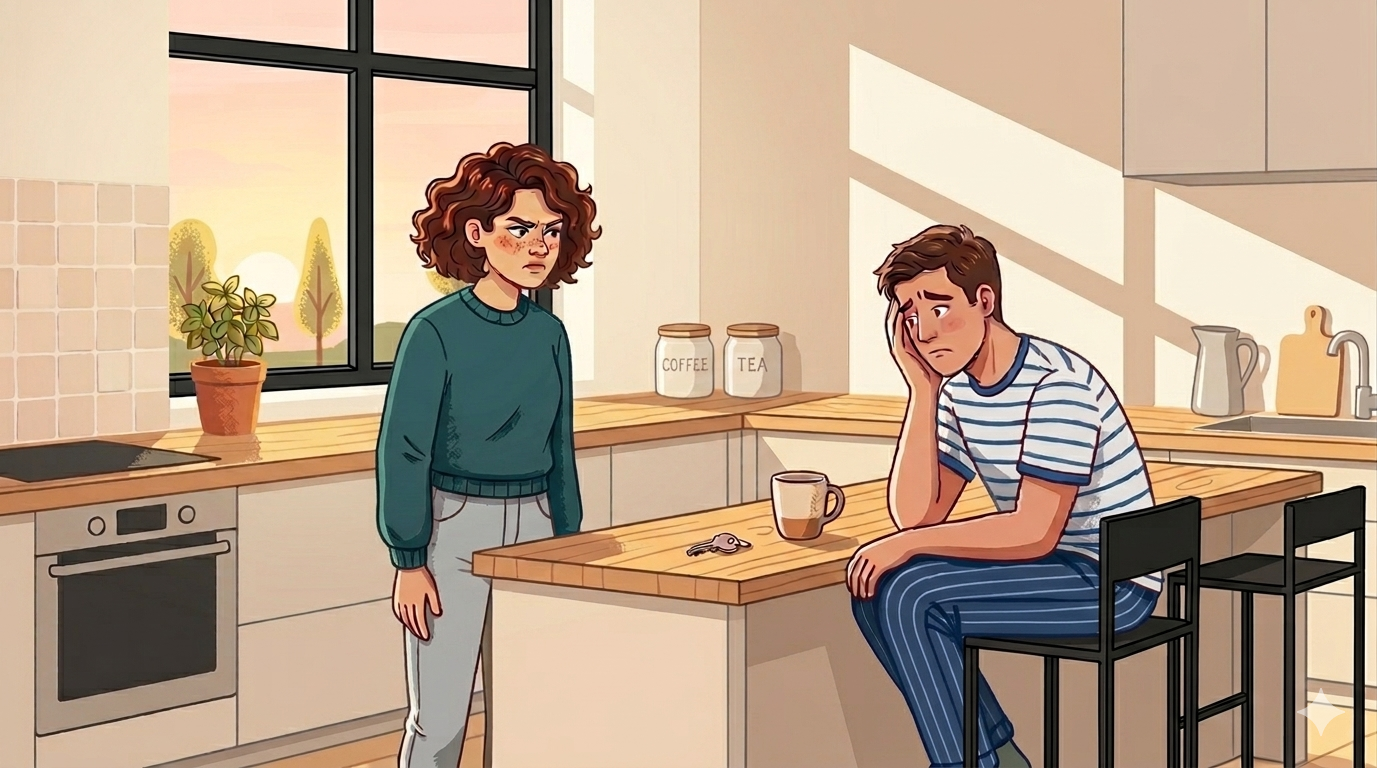
A small moment — a comment, a look, a forgotten task — quickly becomes something much bigger. The emotional intensity rises fast, the conversation shifts, and both partners may leave feeling hurt, confused, or misunderstood.
Over time, this can create a sense that something is fragile in the relationship.
However, when ADHD is part of the relational dynamic, these moments are rarely only about the surface issue. Instead, they are often about how quickly the nervous system moves into a state of overwhelm.
This is where ADHD couples therapy can be particularly helpful. Rather than focusing only on communication strategies, therapy can help partners understand what is happening underneath the reaction and why certain interactions feel so charged.
You may also find it helpful to read more about ADHD in relationships in my related articles:
ADHD challenges in relationships
ADHD, perimenopause and relationships
Emotional Regulation in ADHD: More Than Just “Big Feelings”
Emotional regulation is not simply about calming down. It is the capacity to notice emotions, stay with them, and respond in a way that reflects what is actually happening in the present moment.
With ADHD, this process can become more complex.
Emotions may:
• arise quickly
• feel more intense
• take longer to settle
As a result, a partner’s behaviour may feel disproportionately significant — not because it objectively is, but because the internal experience is heightened.
Many couples find themselves asking:
“How did we get here so quickly?”
Understanding emotional regulation through a nervous system lens often brings both clarity and relief.
The Nervous System and Polyvagal Theory: Why Safety Matters
Deb Dana’s clinical work, based on Polyvagal Theory developed by Stephen Porges, helps explain why emotional reactions can feel so immediate and powerful.
Polyvagal Theory suggests that our nervous system continuously scans for cues of safety or threat. Importantly, this process happens automatically, outside conscious awareness.
When the nervous system perceives safety, we are more able to:
• listen
• reflect
• stay curious
• feel connected
When the nervous system detects threat, the body shifts into protection mode.
This may appear as:
Fight or flight
• defensiveness
• urgency
• irritation
• increased intensity
Shutdown
• withdrawal
• feeling distant
• reduced communication
• emotional numbness
In ADHD, these shifts can happen more quickly, and the return to a settled state can take longer.
A neutral comment may therefore feel critical.
A pause in conversation may feel rejecting.
A misunderstanding may feel deeply personal.
Once the nervous system moves into protection, the priority is no longer connection but safety. ADHD couples therapy often focuses on helping partners recognise these nervous system shifts before conversations become overwhelming.
You can explore Deb Dana’s work further here:
https://www.rhythmofregulation.com
The Window of Tolerance: When Conversations Stop Being Productive
Daniel J. Siegel’s concept of the Window of Tolerance is widely used in psychotherapy to describe the zone in which we can think, feel, and communicate effectively.
When we are within the Window of Tolerance, we can:
• listen without interrupting
• reflect on what we hear
• remain emotionally present
• stay connected even when disagreeing
When we move outside the window, communication becomes more difficult.
Above the window (hyperarousal):
• raised voice
• urgency
• defensiveness
• difficulty listening
Below the window (hypoarousal):
• withdrawal
• silence
• feeling numb
• disengagement
Many ADHD couples notice that conversations can move outside the window quickly, especially when the topic feels important.
Understanding this framework often changes how partners see conflict.
Instead of asking:
“Who is right?”
Couples begin to ask:
“Are we both in a state where we can actually hear each other?”
You can read more about interpersonal neurobiology here: https://drdansiegel.com
Projection, Protection, and Misreading Intentions
When emotional intensity increases, the brain attempts to interpret meaning quickly.
In these moments, partners may:
• assume negative intent
• hear criticism where none was intended
• feel blamed or misunderstood
• experience a strong need to defend themselves
Sometimes we may also project past experiences onto the present interaction.
For example:
A partner not responding immediately may feel similar to earlier experiences of not being heard or not being prioritised.
These reactions are deeply human. They often reflect protective responses rather than conscious choices. Recognising this can reduce blame and increase curiosity.
Learning When to Pause: A Core Skill in ADHD Couples Therapy
One of the most valuable skills developed in ADHD couples therapy is recognising when to pause a conversation. This does not mean avoiding the issue. Instead, it means recognising when continuing the conversation may lead to escalation rather than understanding.
Signs that a pause may be needed include:
• repeating the same point without resolution
• feeling flooded or overwhelmed
• interrupting each other frequently
• feeling unable to listen
• feeling criticised or defensive
At these moments, partners may already be outside their Window of Tolerance.
Therapy often supports couples in learning how to:
• recognise early signs of escalation
• communicate the need for a pause
• return to the conversation later
• reduce hurtful interactions that occur during dysregulation
Through ADHD couples therapy, partners often begin to recognise these moments earlier and respond with greater clarity and care.
From Reaction to Reflection: Practical Tools Couples Can Use
1. Name the experience rather than the blame
Instead of: “You are overreacting.”
Try: “I think we might both be feeling overwhelmed right now.”
2. Track your Window of Tolerance together
Couples can begin to notice:
- What helps each partner stay regulated.
- What tends to lead to overwhelm.
This builds shared understanding rather than opposition.
3. Slow down interpretation
Instead of assuming intention, try asking: “What did you mean when you said that?”
Slowing down meaning-making often prevents unnecessary escalation.
4. Notice when protection becomes attack
Sometimes, attempts to protect oneself may come across as criticism or blame.
For example:
• correcting details quickly• raising voice intensity
• focusing on being right
Learning to recognise these moments can create more space for repair.
5. Use co-regulation intentionally
Regulation often happens in relationship. A calmer tone of voice, slower pacing, or reassurance can support both nervous systems.
For example: “We are okay. We just need a moment.”
Where Emotional Regulation Begins
Emotional regulation develops in early relational environments.
Children learn regulation through repeated experiences of:
• being soothed
• being understood
• having emotions acknowledged
At the same time, no parent can meet a child’s needs perfectly. Occasional missed moments are part of every relationship. Difficulties are more likely to arise when emotional needs are frequently not recognised over time. Understanding this can support compassion for oneself, one’s parents, and one’s partner.
A Final Reflection
When small things escalate quickly, it can feel discouraging. However, these moments often reflect nervous system responses rather than relational failure.
With increased awareness, couples can learn to:
- notice when they are leaving their Window of Tolerance
- pause before escalation deepens
- understand emotional triggers
- return to connection more intentionally
Through ADHD couples therapy, many couples begin to feel less overwhelmed and more able to navigate emotional intensity together.
Listening, regulating, and staying connected during tension are sophisticated relational skills. They develop gradually, with patience, understanding, and support.
Further Reading
Deb Dana – Polyvagal Theory in clinical practice
https://www.rhythmofregulation.com
Polyvagal Institute – research and educational resources
https://www.polyvagalinstitute.org
Daniel Siegel – interpersonal neurobiology and emotional regulation
https://drdansiegel.com


