ADHD and Rejection Sensitive Dysphoria in Relationships: Why Criticism Can Feel So Painful
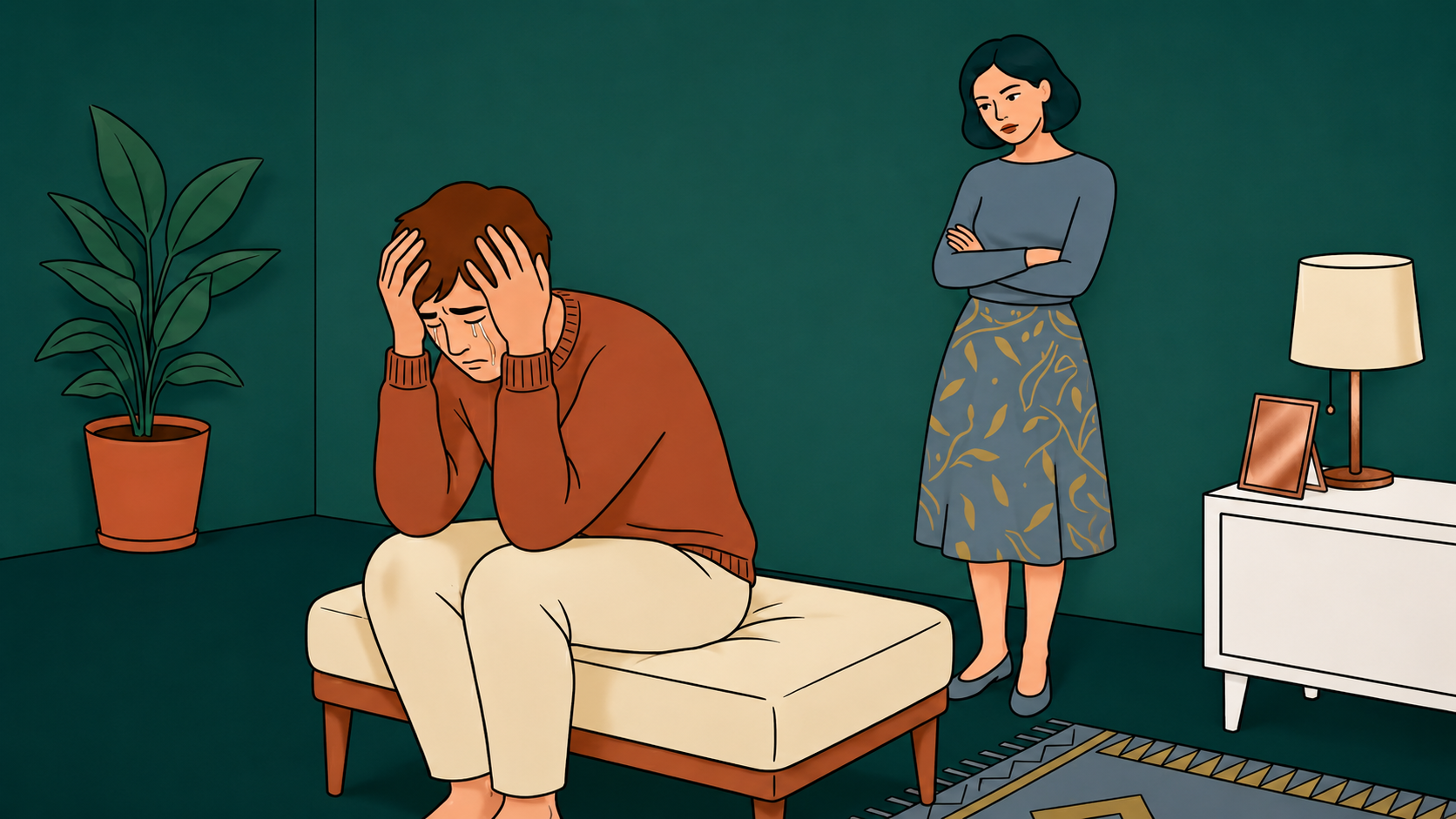
ADHD and rejection sensitive dysphoria in relationships can leave couples feeling confused, hurt, and suddenly far apart. A small comment about tone, timing, forgetfulness, or a missed task can land with far more force than either partner expected. One person may feel criticised. The other may feel bewildered by the intensity of the reaction. Over time, both may begin to walk on eggshells.
When this happens, the issue is often not only the words that were said. Very often, it is also about how the nervous system receives the moment. Many adults with ADHD live with heightened emotional reactivity, a long history of criticism, and a deep sensitivity to perceived failure or rejection. In ADHD communities, many people use the term Rejection Sensitive Dysphoria, or RSD, to describe this experience. Research, however, more often speaks about rejection sensitivity and emotional dysregulation in ADHD. Both ways of understanding can be helpful when they move couples away from blame and towards understanding.
What is Rejection Sensitive Dysphoria in ADHD relationships?
Rejection Sensitive Dysphoria is a term many people with ADHD use to describe an intense emotional reaction to perceived rejection, criticism, disapproval, or failure. For some, the feeling is immediate and overwhelming. A comment that looks small from the outside may be felt internally as shame, collapse, panic, or sudden anger.
Importantly, this does not mean that a person is weak, dramatic, or too sensitive. More often, it means that a particular kind of emotional pain is being activated very quickly. In intimate relationships, this can be especially difficult because partners affect one another more deeply than anyone else. A look, a sigh, a forgotten text, a practical reminder, or a shift in tone may all be interpreted through a nervous system that is already expecting criticism.
At the same time, it is helpful to be precise. RSD is not a formal diagnostic category. This is why, when we look at research, we more often find studies on emotional dysregulation, perceived criticism, rejection sensitivity, shame, and interpersonal difficulty in adults with ADHD. Even so, the lived experience many people describe is very real. For that reason, the term can still be meaningful when it helps couples understand what is happening between them.
Why ADHD can make rejection feel so intense
Adults with ADHD often carry much more than distractibility or disorganisation. Many also live with emotional intensity. Feelings may rise quickly, stay for longer, and become harder to regulate once activated. As a result, a relational moment may feel far bigger on the inside than it appears on the outside.
There are several reasons for this.
Emotional regulation is often already under strain
ADHD is increasingly understood as involving not only attention and impulsivity, but also difficulty regulating emotion. That means frustration, disappointment, embarrassment, and shame may all be felt with greater force. If the nervous system is already overloaded, even a neutral comment can arrive as a threat.
Many adults with ADHD have a long history of correction
Many people with ADHD grow up hearing versions of the same message again and again: try harder, be more careful, why did you forget, why are you so disorganised? Over time, these repeated experiences can shape self-worth. Then, later in adult relationships, a partner’s simple question may land not as curiosity, but as confirmation of an old fear: I am failing again.
The brain often tries to protect before it reflects
When a moment feels rejecting, the nervous system can move rapidly into protection. Some people defend themselves. Others go quiet. Some become tearful. Others become sharp, detached, or suddenly angry. Yet underneath those different reactions, the same core feeling may be present: this hurts more than I can easily explain.
How ADHD and rejection sensitive dysphoria in relationships often show up
ADHD and rejection sensitive dysphoria in relationships do not always look dramatic from the outside. In fact, they often appear in very ordinary domestic moments.
For example, one partner may say:
“Did you manage to send that email?”
However, the other partner may hear:
“You are unreliable.”
Or one partner may say:
“Can we talk about what happened earlier?”
Yet the other may feel:
“I have ruined everything.”
These interpretations usually happen quickly. They often happen before conscious thought has had time to slow the process down. Because of that, couples can find themselves trapped in painful cycles such as defensiveness after mild feedback, withdrawing after a small misunderstanding, apologising excessively, becoming angry when feeling ashamed, needing constant reassurance, or avoiding important conversations altogether.
Over time, the non-ADHD partner may begin to feel that they can say very little without causing hurt. Meanwhile, the ADHD partner may feel constantly on edge, misunderstood, or emotionally unsafe. In many couples, both people end up lonely, even though both are trying.
RSD, shame, masking, and people-pleasing
Rejection sensitivity rarely exists on its own. Very often, it links closely with shame. If someone has spent years feeling too much, too messy, too forgetful, or not enough, then even loving feedback may touch an old wound.
Many adults with ADHD learn to mask (hide) their struggles, overcompensate, or appear more organised, calm, and socially fluent than they actually feel. Although masking can help someone cope, it is also exhausting. Moreover, when a masked self finally feels exposed, the emotional reaction can be intense.
Some people respond to this pain by becoming perfectionistic. Others become highly accommodating. They may people-please, over-explain, or work very hard to avoid disappointing anyone. At first glance, these strategies can look like care. Underneath, however, they may be driven by fear: if I get this wrong, I may be rejected.
This can become even more layered when hormones, burnout, parenting, or long-term stress are involved. For some women experiencing significant hormonal shifts in perimenopause and menopause the emotional reactivity can intensify and relational misunderstandings can start to feel even harder to manage.
Why couples often misread each other
In relationships affected by rejection sensitivity, both partners may misread the other’s intention.
The partner raising a concern may think:
“I am only trying to be clear.”
The partner receiving it may think:
“I am being attacked.”
Then the first partner sees the reaction and thinks:
“Why has this become so big?”
And the second partner, now already overwhelmed, thinks:
“Even my pain is now too much.”
This is one reason why psychoeducation matters so much. Once couples understand that ADHD can affect emotional regulation, relationship functioning, conflict patterns, and the experience of criticism, many moments begin to make more sense. That does not remove responsibility. However, it does create context. And context often softens blame.
What helps when ADHD and rejection sensitive dysphoria affect a relationship
When ADHD and rejection sensitive dysphoria in relationships are present, couples usually need more than communication tips alone. They often need a different pace, a different lens, and more emotional safety.
Name the pattern together
It helps when couples can say, gently and without accusation, that certain moments seem to trigger deep feelings of rejection, criticism, or failure. Naming the pattern reduces confusion. It turns a personal fight into something the couple can observe together.
Slow the moment down
When a conversation becomes charged, it is often already too fast. Slowing the interaction matters. This may mean pausing, lowering the tone of voice, taking a break, or returning to the subject later. A regulated conversation is nearly always more useful than an urgent one.
Replace assumption with clarification
Instead of assuming intention, it can help to ask:
“When you said that, what did you mean?” or “Can I check how I heard that?”
This small shift can prevent a great deal of unnecessary pain.
Speak to the vulnerability, not only the behaviour
Sometimes the visible behaviour is defensiveness, irritation, or withdrawal. Yet underneath there may be shame, fear, or the expectation of being judged. If the deeper feeling is recognised, the moment often softens.
For example: “I can see this landed painfully. I am not trying to shame you.”
Build repair into the relationship
All couples misattune. All couples get things wrong. The important question is not whether rupture happens, but whether repair follows.
Repair may sound like: “I can see why that hurt.” “That was not my intention, but I understand the impact.” “Can we start this conversation again more gently?”
Look at the broader context
Stress, sensory overload, fatigue, hormones, parenting demands, burnout, and unresolved resentment all reduce emotional capacity. Sometimes the issue is not the relationship alone. Sometimes the whole system is carrying too much.
When therapy can help
Couples often seek support when they have reached a point where the same misunderstandings keep repeating. One partner may feel constantly criticised. The other may feel they can no longer raise anything safely. Both may still love each other deeply, yet neither feels understood.
This is often where working with someone who understands both relationships and neurodivergence can make a real difference. Therapy is not about deciding that one partner is too sensitive and the other too critical. Rather, it is about understanding the relational dance that has developed between you, learning where each person becomes activated, and building safer ways to pause, clarify, repair, and reconnect.
A final reflection on ADHD and rejection sensitive dysphoria in relationships
ADHD and rejection sensitive dysphoria in relationships can make ordinary moments feel unexpectedly painful. However, when couples begin to understand what sits underneath those moments, the relationship often becomes less frightening. Hurt starts to make sense. Reactions become more understandable. Compassion grows where blame once sat.
The goal is not to remove sensitivity. The goal is to understand it, hold it with more care, and respond to it differently. When that happens, couples can begin to move away from cycles of shame and defence, and towards a relationship that feels steadier, kinder, and more emotionally safe for both people.


